
Prime Minister Andy Burnham will use his first Labour Party conference speech as leader to announce Great British Grid, a publicly owned company designed to compete for electricity network projects and speed up connections for businesses waiting to plug into Britain’s ageing transmission system.
Speaking in Liverpool on Tuesday, Burnham is expected to put the new body at the centre of a wider push for public control of energy, water and housing, and to set a ten-year goal of bringing UK energy costs into line with other European countries. According to advance briefing reported by the BBC and The Guardian, GB Grid will sit under Great British Energy and draw on funding already allocated to that public investment company, which is headquartered in Aberdeen.
A public competitor on the wires
Labour says GB Grid will invest in and bid for transmission connection projects alongside the three private companies that currently own and manage the grid in Britain. It would also make it easier for firms stuck in the connection queue to finance their own link infrastructure, with the new body able to support or co-invest. Officials pointed to Ireland, where a similar approach shortened connection times by around 11 months, as reported by Politics.co.uk.
The move would be the first publicly owned player in electricity networks since privatisation under Margaret Thatcher. Burnham is expected to tell delegates that GB Grid will “work with the private sector and network companies” to “reform a broken energy market,” adding: “It will increase competition to drive down costs and speed up delivery so businesses can connect faster and grow quicker. This is what more public control can do.”
The underlying problem is well documented. Energy regulator Ofgem has estimated that £70bn of grid investment is needed between 2025 and 2031, four times the current pace, as generation shifts from large fossil plants to remote renewables such as offshore wind. The National Audit Office warned earlier this month that the queue of projects waiting to connect has grown “significantly” while delays have lengthened, the BBC reported.
Cost crisis and conference politics
Burnham will frame the announcement against what he calls a cost crisis. Pre-released lines quoted by The Guardian include: “The price of energy is crippling for businesses, and British bill payers pay some of the highest energy costs in Europe. We have an energy system where prices are dictated in markets miles away, while families and businesses here shoulder the costs. Once again, the British public has lost control.”
He will also argue that “politics as usual has taken Britain backwards” and that he wants “less drift and more direction,” promising “a more serious prospectus for Britain than people have been offered in a generation.” Conference branding in Liverpool centres on “Hope again,” but Burnham has said he resisted the usual tub-thumping speech because “the patriot in me tells me something very different is needed,” according to The Independent.
Energy secretary Miatta Fahnbulleh told The Guardian’s Politics Weekly podcast that the previous government “didn’t recognise the need to invest in the system,” leaving ministers to catch up “at record pace over the course of the next decade.”
Social care, the triple lock and the opposition
GB Grid is only one strand of the speech. Burnham has spent the weekend promising to “rip the plaster off” social care with a universal, NHS-style service in England that would be free at the point of use and funded by “everybody.” He has ruled out introducing that system before the next general election (due by August 2029 at the latest), saying voters should endorse the plan in Labour’s next manifesto, with rollout aimed from 2030. Baroness Louise Casey’s review of social care has yet to report.
That funding debate has put the state pension triple lock under the microscope. The guarantee (pensions rise by the highest of inflation, average earnings or 2.5 percent) is forecast to cost £15.5bn by 2030. Chancellor John Healey repeatedly declined on Monday to promise the lock will appear in the next manifesto, telling the BBC and ITV that “the manifesto will be the manifesto at the time.” Business Secretary Jonathan Reynolds stressed that the current-parliament pledge still stands. Unite general secretary Sharon Graham warned that scrapping the lock would be “electoral suicide.”
Conservative Party chairman Kevin Hollinrake dismissed hope as “not a strategy” and challenged Burnham to cut the welfare bill. Reform UK’s Robert Jenrick called any move against the triple lock “frankly outrageous” while fuel and living-cost pressures remain high.
The speech lands weeks before a Budget that Healey has described as offering “breathing space,” with gilt yields elevated and limited room for new spending. Whether GB Grid can clear connection bottlenecks fast enough to ease bills and unlock growth will be judged less by conference applause than by how quickly projects leave the queue. For now, Burnham is betting that a public competitor on the wires is the clearest early signal of the public-control politics that brought him to Downing Street.
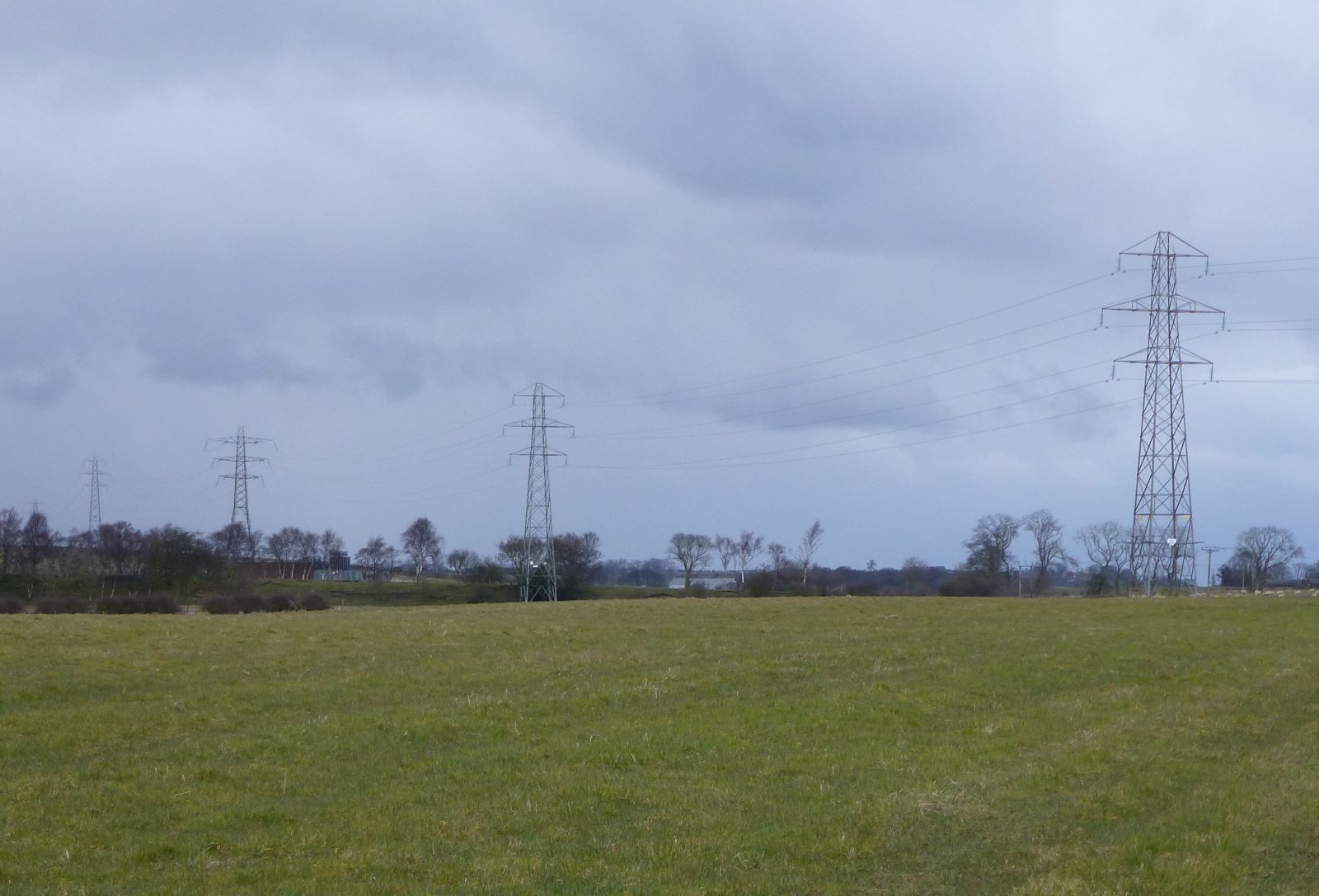
Featured image: Electricity pylons marching across the landscape (Russel Wills / Geograph Britain and Ireland, CC BY-SA 2.0).
Sources: BBC; The Guardian; The Independent; Politics.co.uk.
+ There are no comments
Add yours