
Louise Haigh walked into the Confederation of British Industry’s annual conference in London on Monday with a message that few in the room expected to hear from a minister: the way Britain runs its water and energy networks is not the sensible middle ground. It is, she said, the exception. “The status quo is not the neutral, pragmatic centre ground. It’s the outlier,” the First Secretary of State told executives, in a speech that the Cabinet Office later published in full.
The address was billed as the government’s business case for “public control”, the phrase Prime Minister Andy Burnham has used for months to describe a bigger state role in what he calls the essentials of life. It landed minutes after the CBI’s own chief executive had warned that the same phrase was frightening investors.
A warning before the speech
Rain Newton-Smith used her keynote to urge the Prime Minister to show he “wants private capital at the table, not heading for the exit”, according to the Telegraph. “To some, ‘public control’ sounds like code for renationalisation. That is kryptonite to investment,” she said. The CBI does not believe wholesale nationalisation is coming, she added, but wants clearer signals from ministers. She also described Chancellor John Healey’s autumn Budget as a “steady as she goes” package that “left too many question marks over our economy”, City AM reported.
The timing mattered. The conference was already crowded with Brexit argument, as Burnham, Kemi Badenoch, Ed Davey and Nigel Farage all took turns on the CBI stage within hours of the Prime Minister updating MPs on his new deals with Brussels, Politico noted. Haigh’s job was to reassure the same audience on a domestic agenda that worries boardrooms at least as much.
“Ownership is not a requirement”
Her answer was that public control means rules, not a buyout. “Public control is about getting the right outcomes. It is not ideological. Ownership is not a requirement,” she said. Where real competition exists, as in telecoms, it “should be left to thrive”. The problem, she argued, is natural monopolies, where four decades of trying to simulate markets have produced a “hulking, complex behemoth of a regulatory state” that “satisfies no one”.
To make the case she reached abroad. England, she said, is “almost unique” in handing its entire water system to private owners, with only Chile for company. Britain is among few European countries whose electricity and gas transmission networks are wholly private. “Foreign governments now own a bigger share of our utilities than the British government does,” she said, before pointing to the United States, where fewer than one in ten people get water from a private company. “Nobody thinks America is anti-business.”
Haigh said the government would judge itself on three tests: affordability, investability and accountability. On energy she cited figures that UK industrial electricity prices were around 23% above the EU14 median in 2008 and more than double it by 2025, and repeated the goal of bringing bills in line with European neighbours by the middle of the next decade, partly by breaking the link between electricity and gas prices. On water she said the public were “furious”, noting that £55 billion had been taken in dividends and that sector gearing had risen from 4% to 66%. Sir Jon Cunliffe’s recommendations, including a single independent regulator, will be “the starting point for our Water Bill”.
She also announced that Juergen Maier, the former Siemens UK chief, will become a Northern Economy and Reindustrialisation Commissioner based at No 10 North in Manchester, and signalled a review of arm’s-length bodies to decide “what should be devolved, what can be dissolved”. The Environment Agency, Natural England, Ofwat and the Drinking Water Inspectorate are already in that process, she said. The Financial Times framed this as an intention to scrap some quangos.
Squeezed from both sides
The reaction showed how narrow Haigh’s path is. The Conservatives attacked from the right. “Labour think nationalisation is a magic wand for every industry and every problem,” said shadow chancellor Andrew Griffith, who argued that rail nationalisation was already failing the test of lowering bills.
Campaigners for public ownership were just as unhappy. Cat Hobbs, director of We Own It, called the speech “Orwellian” and warned that “a full-fat fudge won’t do”, telling the Morning Star that it recognised the failures of privatisation while “reassuring privatised industry in every breath”. James Wallace, chief executive of River Action, urged ministers to put failing water firms into special administration, “starting with Thames Water”. Before entering Downing Street, Burnham pledged to exert public control over Thames Water, but he has yet to set out a plan to bring it under government ownership.
What comes next
Haigh’s pitch to business rests on a bargain: clearer rules, faster decisions and “a fair return” in exchange for accountability. The test will come in concrete legislation. A Water Bill built on the Cunliffe review, a Nuclear Regulation Bill promised for the new year with changes to judicial review, and the details of any energy pricing reform will show whether “public control” means a tougher referee or something closer to the ownership changes the left wants and investors fear.
For now, the government has told both camps what they do not want to hear. Bosses got a lecture on the failings of privatisation. Campaigners got a promise that the private owners are staying. With bills still rising, neither side looks likely to be patient for long.
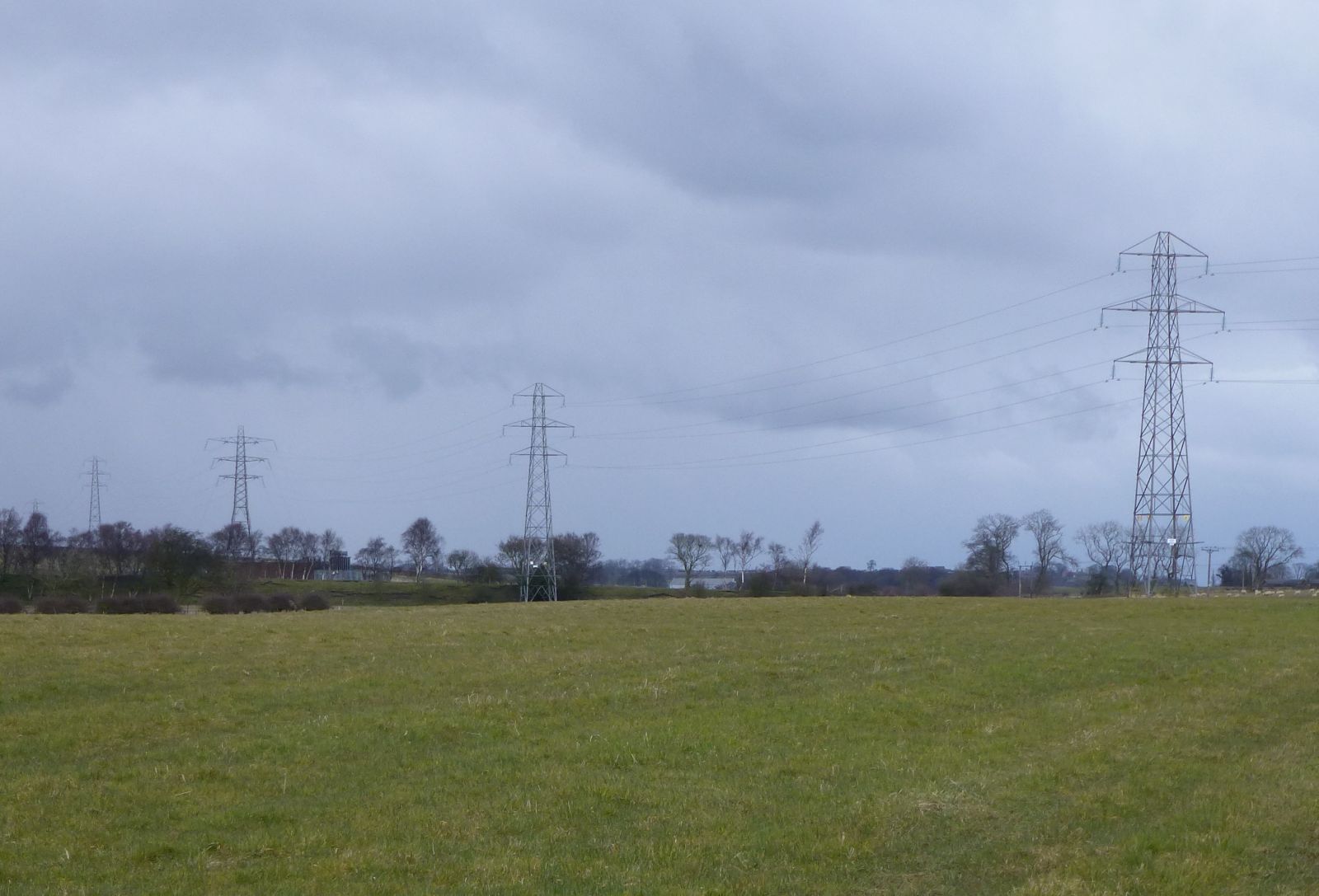
Featured image: Electricity pylons march across the landscape, by Russel Wills, via Wikimedia Commons (geograph.org.uk), licensed CC BY-SA 2.0.

+ There are no comments
Add yours