
Andy Burnham is facing the most visible revolt of his premiership so far. Ninety-two Labour MPs have signed a letter sent to the prime minister on Thursday urging him not to let his government approve the Rosebank oil field west of Shetland, the largest undeveloped field in UK waters. The Guardian reports that at least four frontbenchers have also put their names to it, and the BBC says ministerial aides are among the signatories.
The letter lands just weeks before Energy Secretary Miatta Fahnbulleh is due to rule on whether drilling can go ahead. It exposes a split that now runs through the cabinet itself, with Chancellor John Healey and many Scottish Labour MPs pressing for approval while a large bloc of backbenchers argues the project would wreck the party’s climate credibility.
“A point of no return”
The letter was organised by Catherine Fookes, the MP for Monmouthshire. According to Energy Voice, which obtained a version of the text, the signatories warn that approval “risks becoming an irreversible ‘point of no return’ for the party’s climate credibility, and risks alienating members of the electorate who have put their trust in our message of hope and positivity.”
They argue that new oil and gas fields are incompatible with the Paris agreement’s 1.5C goal, describe the North Sea as a “depleted basin” and point to Office for Budget Responsibility forecasts that oil and gas tax revenues will fall to nearly zero by 2030. “Claims that new drilling offers a viable revenue stream for the Treasury are weak,” the letter says. It closes: “We urge you to show that Labour is on the side of the people experiencing climate change’s impacts, not those fuelling it.”
In a piece for the Guardian, Fookes was blunt about the bills argument, which carries extra weight in a week when Ofgem confirmed a 26% rise in the price cap. “If Rosebank is approved, champagne corks will pop in the offices of oil giants. But it will not make an iota of difference to our constituents’ energy bills,” she wrote. Speaking to the Guardian, she added: “I know the prime minister is a good listener. I hope he will see these names and see the letter and take note and think carefully about oil drilling.”
Resignation talk on the junior benches
The threat is not only rhetorical. The BBC was told the government could face resignations from parliamentary private secretaries, the most junior rung of government, if Rosebank is approved. “There are quite a few of us who are considering our positions. I’m in that group. We want to see leadership on climate change,” one aide told the broadcaster. Energy Voice names Jeevun Sandher, a PPS to Fahnbulleh, as one of the figures reported to have spoken against the field.
Healey, the unions and the Treasury’s numbers
On the other side sits the Treasury. The Guardian reports Healey is keen for Rosebank to proceed, alongside trade unions that point to roughly 500 jobs and as much as £500m a year in tax revenue. Energy Voice notes that both the chancellor and the OBR have assumed approval in their figures. Union sources have told the BBC that rejection could put existing inward investment in the North Sea at risk.
The Conservatives have seized on the split. Shadow Scotland secretary Harriet Cross called the letter “ludicrous”, telling Energy Voice that stopping Rosebank “isn’t going to make one drop of difference to the amount of oil we use” and would only deepen reliance on imports. “Tens of thousands of livelihoods depend on Rosebank being approved,” she said.
Fahnbulleh’s call, Burnham’s problem
Formally, the decision is not Burnham’s. The original consent, granted under the Conservatives in 2023, was struck down after a landmark Court of Session ruling last year that companies must account for the emissions from burning the oil and gas they extract. That legal process now rests solely with the energy secretary, and the BBC reports Fahnbulleh said last month she alone would decide, and that the courts would side with her if colleagues tried to overrule her.
Her own record points both ways. She approved the smaller Jackdaw gas field in October, arguing its extra emissions were outweighed by energy security. But she signalled that logic would not transfer to Rosebank, which the Guardian says would add an estimated one million tonnes of carbon dioxide by 2042, with most of its oil shipped abroad. She is understood to be leaning against approval. Labour’s 2024 manifesto ruled out new licences but promised to honour existing ones, which means Rosebank could be approved without formally breaking that pledge.
Burnham has repeatedly said he wants a “pragmatic” approach to North Sea oil and gas, and backers of the field believe rejection would sit awkwardly beside the ten year reindustrialisation plan he is expected to unveil. Yet the BBC reports that the mood among pro-Rosebank MPs shifted this week, with several now worried it will be blocked.
Either way, the prime minister cannot simply hide behind the statutory process. If Fahnbulleh says yes, he risks resignations and a deeper fight with his party’s green wing as the Greens circle. If she says no, he faces the Treasury, the unions and the Scottish MPs who wanted it. Rosebank, as the Guardian puts it, now threatens to become his first major political crisis in Downing Street.
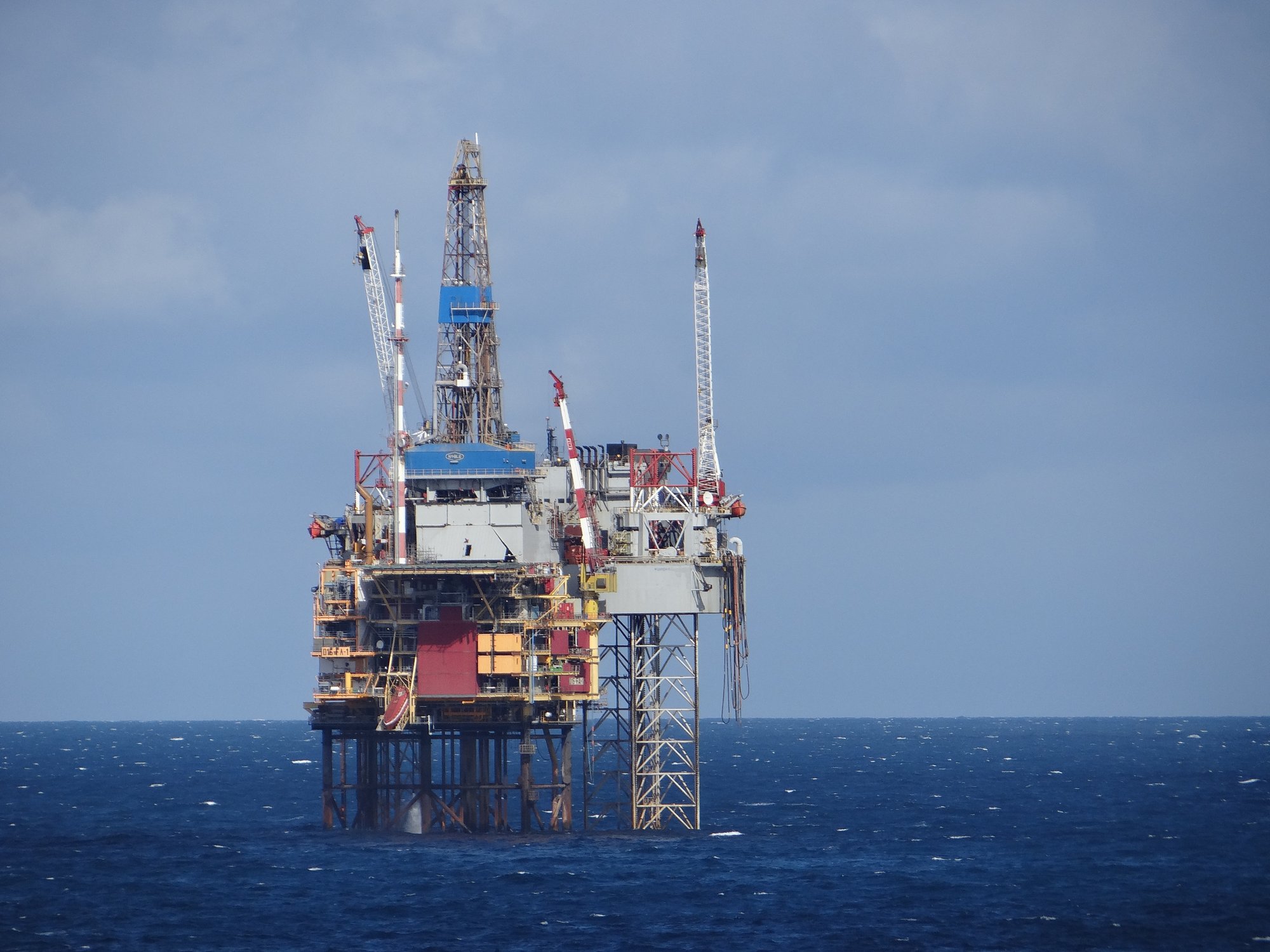
Featured image: North Sea oil rig. Photo by Gary Bembridge, via Wikimedia Commons, licensed under CC BY 2.0.

+ There are no comments
Add yours