
The Department for Work and Pensions has spent the weekend trying to bring its public-facing websites back to life after what Work and Pensions Secretary Pat McFadden called a “serious cyber incident” forced the UK’s largest government department to pull almost all of its online benefits and pensions services offline.
The portal was taken down late on Thursday after officials detected “unusual activity”, according to the Guardian. By Friday morning anyone trying to claim universal credit, check a state pension, apply for Personal Independence Payment or use the Tell Us Once service to report a death was met with an error message. Computer Weekly reported that complaints on Downdetector began late on Thursday night and peaked just before 9am on Friday.
What the government has said
In a statement on GOV.UK, the department said it had taken services offline “as a precaution” and was working with the National Cyber Security Centre, part of GCHQ, and the Government Cyber Coordination Centre to investigate. It insisted that “regular benefit and pension payments are not affected and will be paid as normal”, and said claimants who could not attend appointments or update their circumstances during the outage would not be sanctioned. Sanctions processed before the incident still stand.
Downing Street has not ruled out a malicious attack. The prime minister’s spokesperson described a “live and ongoing incident” and said there was “currently no evidence of data loss”, adding that there was also no evidence any other department had been targeted. The involvement of the NCSC, the Guardian noted, suggests officials suspect deliberate activity, although the cause has not been made public.
McFadden defended the decision to pull the plug quickly. “When an incident like this happens, the most important thing is to take the system offline as early as possible to protect it, then to investigate the causes, and at the same time to make sure that payments to the public can continue as normal,” he said.
Claimants caught in the gap
The reassurance on payments did not match every claimant’s experience. Samantha Reah, a single mother of four in Cardiff, told the BBC that a £1,600 universal credit payment she was relying on had not arrived. “I’m panicking. It’s going to be a long and stressful weekend,” she said. Georgina Howarth, 30, from Plymouth, said she had to ask her mother for money for food, and that DWP staff told her “they can’t even get on the system”.
The BBC’s social affairs correspondent Michael Buchanan pointed out that the department processes around 2.5 million payments a day, worth roughly £1.3bn, and that a small share of those run into problems on any given day. Not every missing payment, in other words, can be pinned on the incident. But DWP insiders told the Guardian that while Friday’s payments had been sent earlier in the week, a backlog of manual payments running into tens of thousands could build up for processing over the weekend. Internal systems were restored on Friday, allowing staff to work again, but the public portal remained down.
Jobcentre appointments were also cancelled. One graduate told the Guardian she walked to her appointment in the rain only to be told that everything had been called off. The NHS Healthy Start scheme, which helps pregnant women and families with young children buy milk and fruit, also lost its online application service, though a spokesperson said payments were not interrupted.
A wake-up call for Whitehall
The outage lands at an awkward moment. It comes days after the government warned of a heightened risk of Russian sabotage against UK businesses supporting Ukraine, and weeks after supermarket refrigeration systems in seven European countries were remotely tampered with in what was blamed on a cyber-attack. Earlier this month the DWP’s permanent secretary, Sarah Healey, was asked by the work and pensions committee who would ensure the department’s systems would not become “the frontline in some sort of hybrid warfare from the Kremlin”.
Dame Chi Onwurah, the Labour chair of the Commons science and technology committee, called the disruption a “wake-up call”. “My committee has repeatedly warned that the government cannot achieve its digital transformation of public services without addressing weaknesses in its digital infrastructure and improving standards of data hygiene,” she said. Ben Spencer, the Conservative shadow AI minister, said the incident “highlights once again why the security of government systems cannot be taken for granted”.
The political stakes are high for a government that has pinned much of its public service reform on digital delivery. The DWP is already managing a sensitive overhaul of disability support following the Timms review, and any suggestion that its core systems are fragile will feed opposition attacks. The bigger test, though, is practical. Universal credit bills fall due on 1 December for many households, and the department has not said when the portal will be back.
For now, the DWP’s advice is to call the usual benefit helpline for urgent help, to try online services again later, and to be alert to scams exploiting the outage. The department stresses that it will never message people asking for bank details or to click on links.
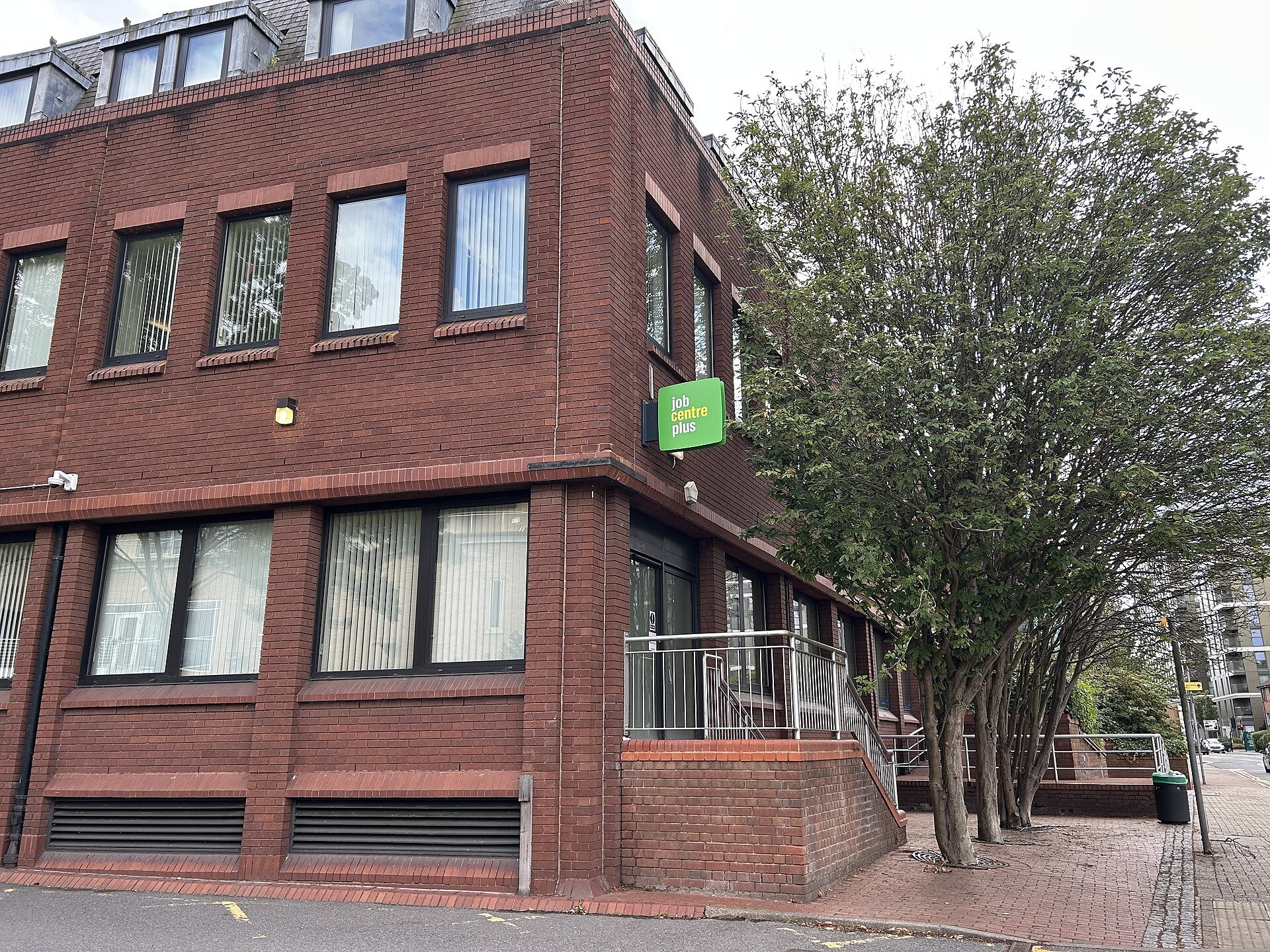
Featured image: Jobcentre Plus office in Staines. Photo by DanielMichaelPerry, via Wikimedia Commons, CC0 (public domain dedication).


+ There are no comments
Add yours